What should we look for on a preschool visit?
Observe adult interactions, transitions and accessibility on a preschool visit, then check licensing and logistics.

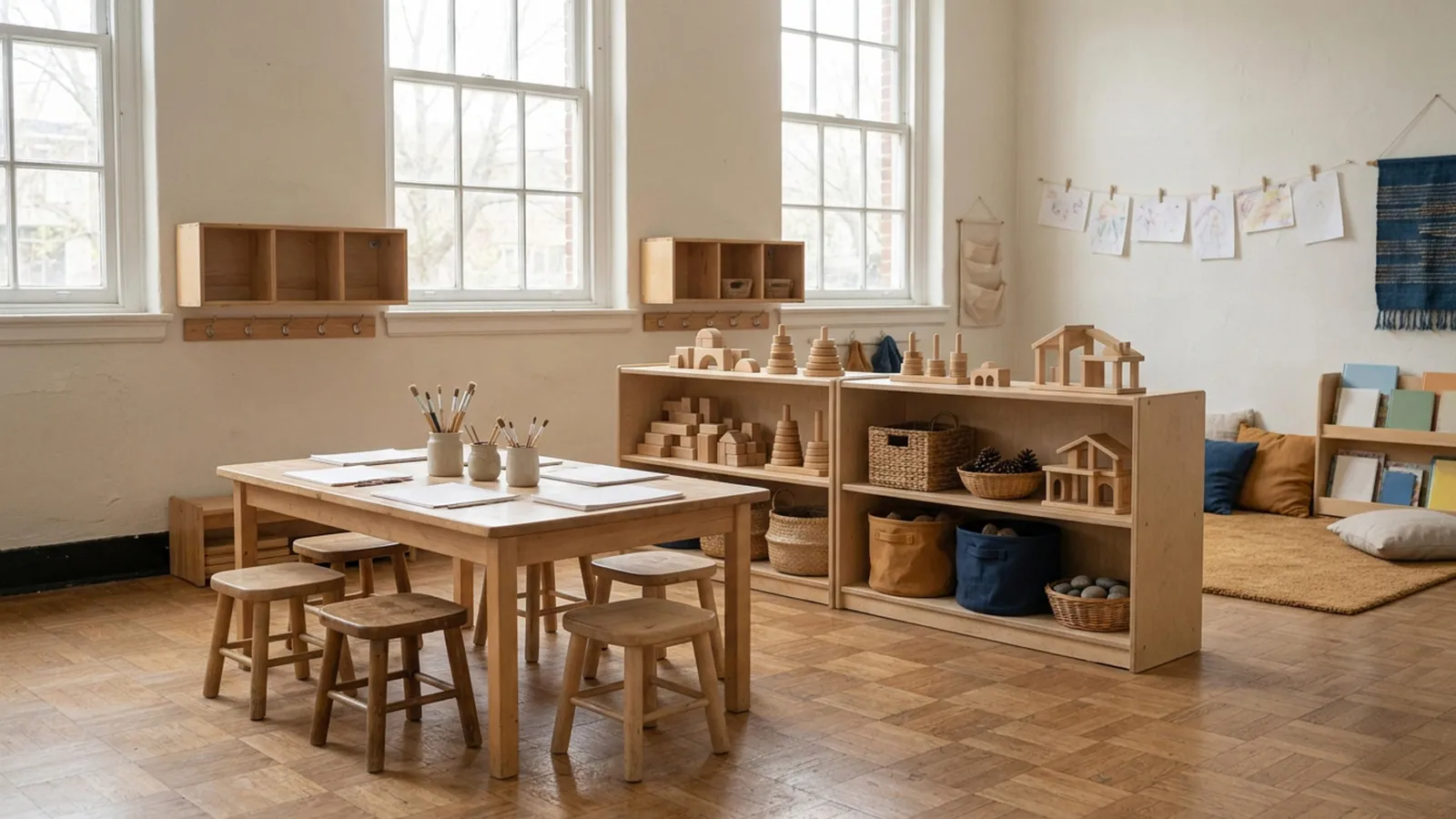
Visit a preschool while the children are there if you can. The room will tell you more when you see how the adults respond to a child who needs help, what happens when an activity ends, and where children can go when they want a quieter moment.
Watch one stretch of the day
Ask to see a transition, such as going from play to snack. Notice how children find out what’s next. Can they see or reach the materials they’re expected to use? If a child needs more time, ask how a teacher makes room for that. Look for a specific example of an adult following a child’s interest or helping children take turns. A busy room can still be welcoming. Look at what the people in it actually do.
Ask about your child’s day
Try, “My child sometimes watches before joining in. What might their first week look like here?” Ask how staff help children communicate, what they do when a child doesn’t want to join a group, and how they use family languages. If your child needs an accessible route, a quieter place or support with a routine, ask the provider to show you what that would look like.
Write down one thing you saw, one thing the provider told you, and one thing you still need to confirm. Use the same three lines at each visit so you can compare specific observations later.
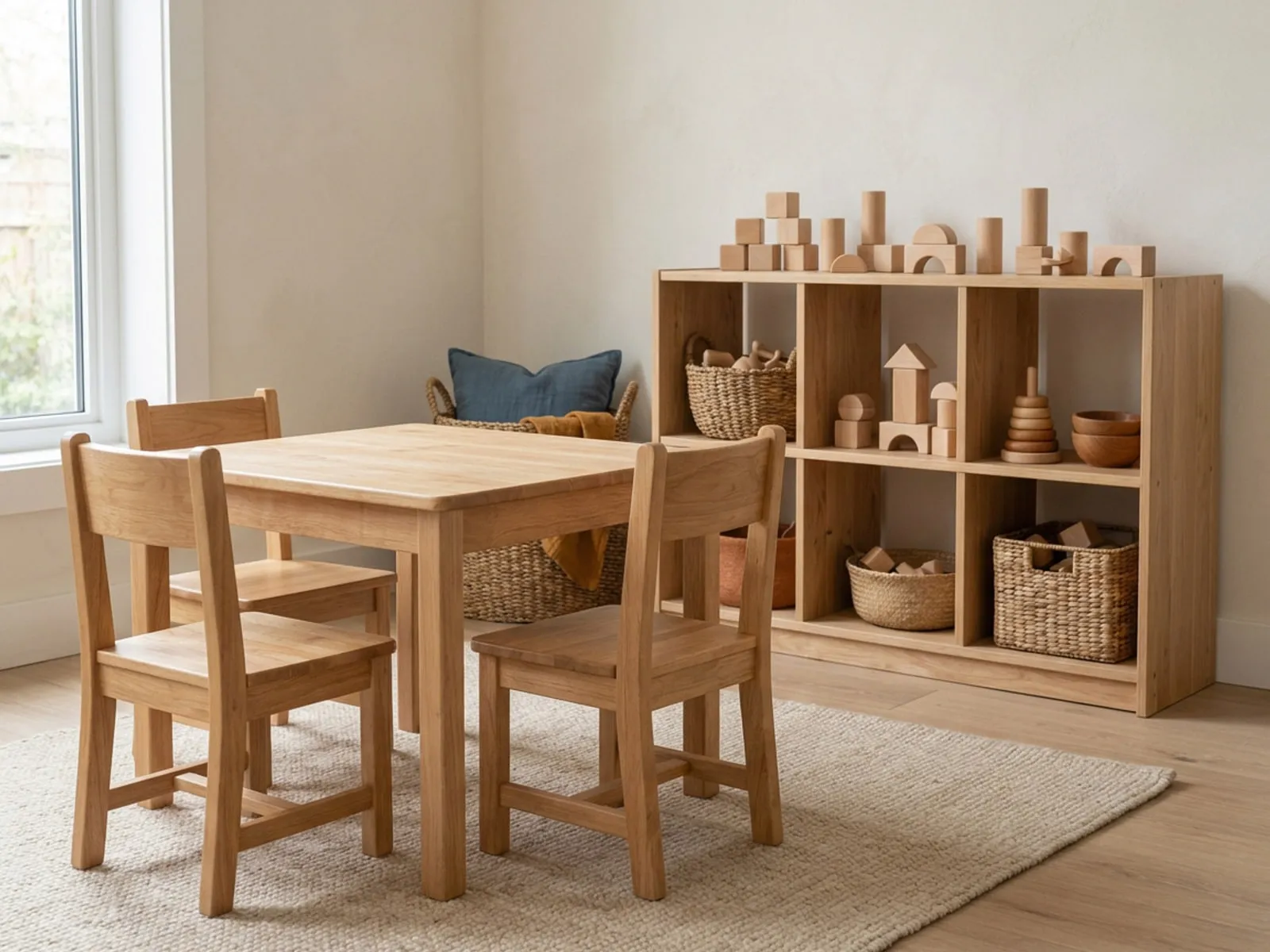
Check the practical details separately
Ask whether the program is required to be licensed and confirm its status and available inspection reports with the state or territory. ChildCare.gov explains what inspection reports can contain (ChildCare.gov, checked November 19, 2026). Then check the hours, closure calendar and costs against your family’s schedule. A preschool can be a good learning fit and still leave you without pickup coverage on Tuesdays.
Before you decide, ask each finalist the same unanswered question. The answer may tell you more than another tour.
Work through an invented example
One family sees a preschool where children choose their activities freely. Their child needs a little warning before changing activities, so the visit is more useful if they also see what happens at cleanup.
A teacher gives a short warning, points to where materials go and helps one child finish putting something away. Ask whether that transition is typical and what the teacher could show your child on a first visit.
Take a preschool visit card
Record the activity and what happened just before it. Note one adult response, one thing your child could reach or use, and one detail you couldn’t observe.
Ask what staff would do if your child needed more time at that moment. Compare answers from the same part of the day across visits. Keep questions about hours and fees on the notes you’ll use to plan care.
Ask to see the version of the day your child would attend
A morning tour may show a quiet room before other children arrive. If your child would attend afternoons, ask about staffing, what the room is like after lunch and whether there is a different arrival routine. Ask how a parent can find out how their child is settling in, and what staff would tell them after a hard day. A second conversation about the actual session is more useful than another walk past empty shelves.
Common questions
What if we can only tour after hours?
Ask for a walkthrough of one actual interval, such as arrival through snack. Carry the unanswered questions into a phone call or a second visit.
Should we bring our child?
Ask what the school permits and decide whether the child would enjoy seeing the room. Their reaction is one observation, and they may feel differently on a familiar day.
Does a tidy room tell us much?
Check how children can use the space and how adults respond when someone needs help. A room at the end of a long morning can look very different from a room prepared for a tour.
Sources
- ChildCare.gov. Monitoring and Inspections. Checked November 19, 2026.