What should we ask at a parent–teacher conference?
Bring a specific example, ask for one next step and agree when to follow up with the teacher.

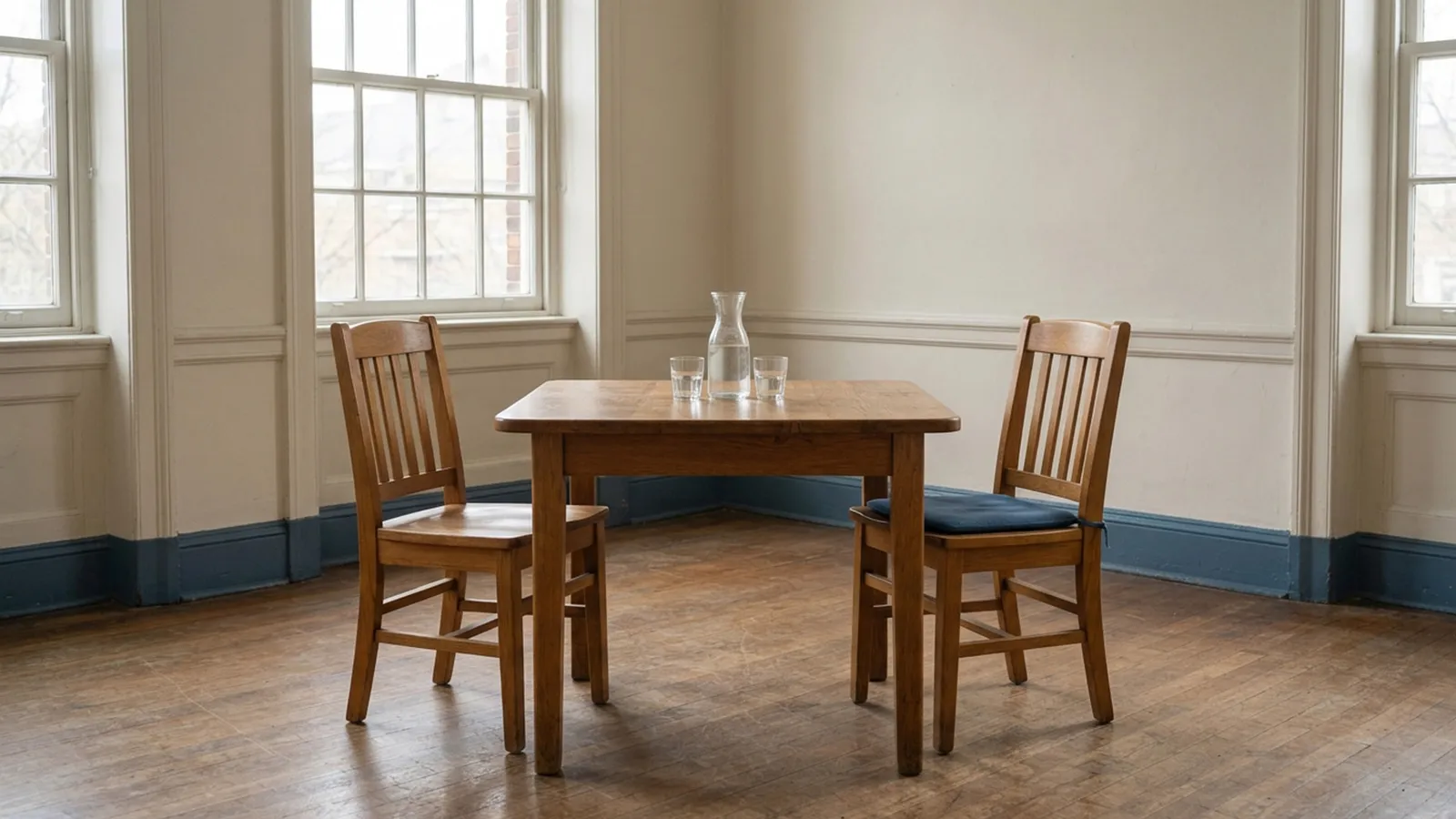
A parent–teacher conference goes quickly. Bring one example, one question and one thing you’d like to understand before you leave. A recent assignment, a remark from your child or a comment on the report card can give you a place to begin.
Ask your child what they want you to know
Try, “What feels easy right now? Where do you wish you had more help?” Write down their words if they’re comfortable with you sharing them. Choose a sample that shows the question rather than bringing a stack of work. If you need an interpreter or accessible meeting format, ask the school about arranging it ahead of time.
Ask the teacher to show you what they mean
If the teacher says your child needs more detail in writing, ask to see a place where an example would help. If they mention participation, ask what that looks like in class and whether your child has other ways to contribute. Share what you notice at home, including times when the same task goes differently.

Leave with one action and a date
Write down who will try what and when you’ll check back. You might agree that the teacher will share an example paragraph and your child will use it to revise one assignment. At home, you can ask your child to point to the change they made. Keep the follow-up small enough that everyone knows what to look for.
If the topic needs more time, ask to schedule a separate conversation with the relevant staff. A short note after the meeting can confirm what you understood and give the teacher a chance to correct it.
Work through an invented example
A teacher mentions that a child rarely asks questions. The parent brings an example of the child explaining a difficult task at home and asks what happens when the class is working independently.
The teacher points to a moment when the child can use an agreed check-in rather than putting up their hand in front of everyone. Agree who will try the strategy, then check one example of what happened after a week or two.
Bring one example that can travel between home and school
Choose a piece of work or a short description of a routine. Ask the teacher to point to a place where an adjustment would help, then describe what you observe at home.
Agree what the school, child or family will try and how you’ll know whether it worked. Send a short recap while the example is easy to remember.
Follow up with the smallest useful record
After the meeting, send a short note confirming the skill you discussed, the action each person agreed to and when you’ll check it. You can mention the example the teacher pointed out without retelling the whole meeting. If the issue changes at home and at school in different ways, bring one example from each setting. Decide together whether to continue the first strategy or ask a more specific question.
Common questions
What should I bring?
Choose one recent piece of work or a specific question from your child. Ask about accessible formats or interpretation if either would help you take part.
What if we disagree about what happened?
Describe an example from each setting and ask what both accounts can tell you. Agree on something you can observe in the next piece of work.
What if time runs out?
Confirm the most useful action and who will send a follow-up. Schedule a separate conversation if the remaining question needs specific staff or more time.