How can we help kids plan a project that takes more than a day?
Break a project into visible steps and gradually let your child take over the planning.

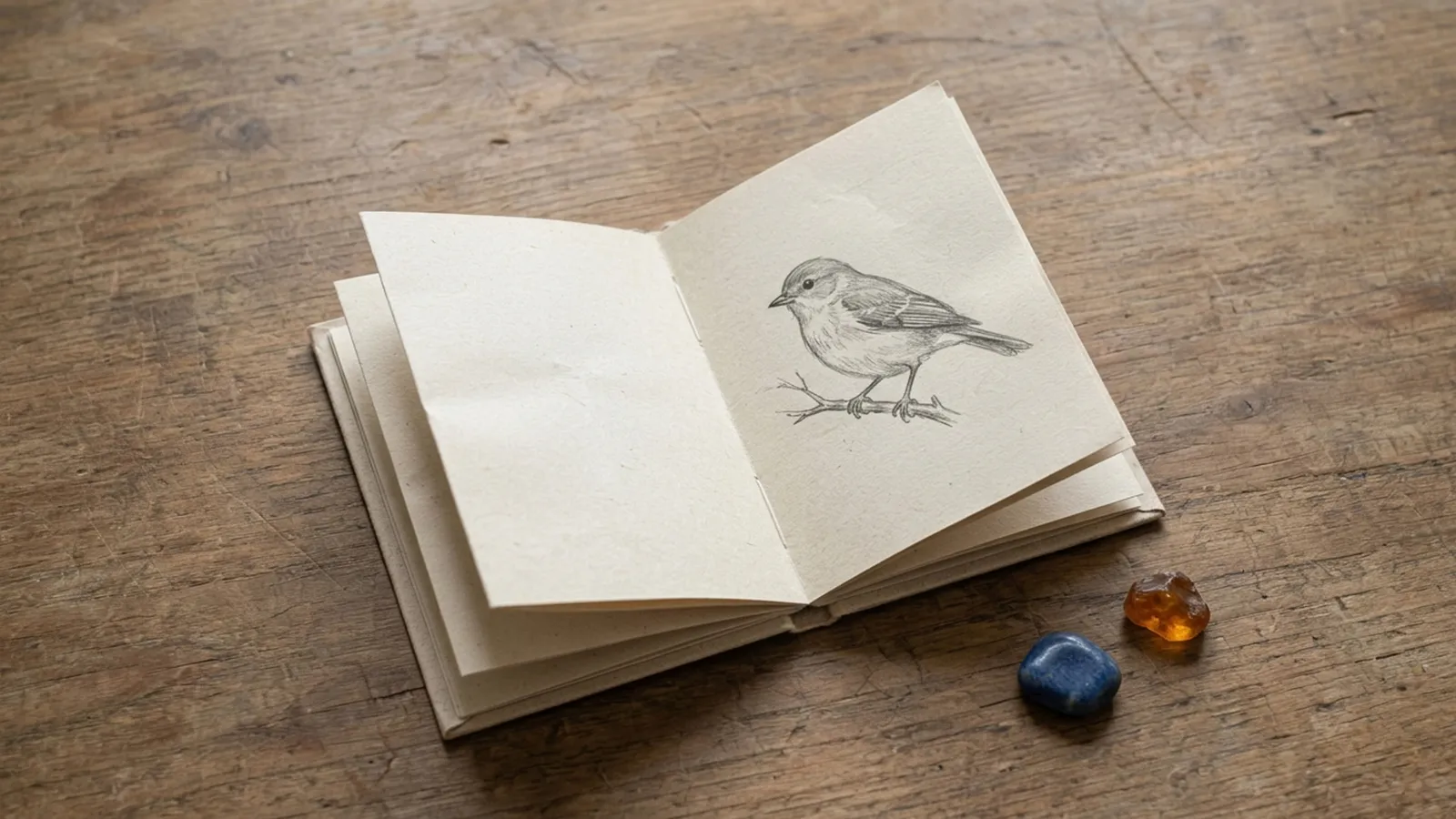
Ask your child what they want to have at the end. “Make a bird guide” is a good start. “Make a four-page guide to birds we’ve seen from our window” tells you both what finished could look like. You can change the goal later once you learn how much work it involves.
Pick three things to finish along the way
For the bird guide, the child might first choose the birds, then make one sample page, then finish the remaining pages. Put those three points on paper. Under the first one, write an action small enough to start today: “Look at the window for ten minutes and sketch what we see.”
Help with materials and timing, but give the child one choice they own. They might decide what goes on each page or which bird to draw first. On the next project, let them propose the milestones before you offer yours.
Use a check-in to change the plan
After the sample page, ask what took longer than expected. Maybe drawing every picture is fun but leaves too little time for four pages. They can finish two pages, use simpler sketches or move the deadline. Help them choose one adjustment rather than changing everything at once.
| At each check-in | Ask |
|---|---|
| Look back | What’s finished, and what did we learn? |
| Look ahead | What is the smallest useful next step? |
| Check the plan | Does the goal, time or support need to change? |
Give the child a way to show the finished work if they want to. Ask which part they’d plan differently next time. The project and check-ins are illustrative tools.
Work through an invented example
A child wants to make a bird guide by Sunday. After the first page, they realize illustrations take longer than they planned.
They choose to make three pages instead of four and keep the drawing style they enjoy. Write the change on the plan and find one way the child can tell whether the next page is finished.
Give a milestone a visible finish
For the first page of the bird guide, agree what the child needs to see before calling it done. Put materials and any help they want beside the milestone.
At the next check-in, ask the child which step took longer than planned. Let them redraw the schedule or choose a smaller finish without starting the whole project over.
Notice where one milestone depends on another
For the bird guide, an illustration might depend on knowing what the bird looks like. Add that lookup or observation before promising to finish the page. If a child wants to expand the scope, ask which part they would still finish by the original date. Give them room to make a new plan rather than asking them to defend the first estimate. Save an unfinished idea for a later project if they want to keep it.
Common questions
What if I have to remind them every time?
Agree on one check-in the child can see coming. Let them choose where to put the reminder and ask whether they want help keeping track.
Can a younger child plan a multiday project?
Offer fewer decisions and a visible example of the next step. Let them choose one part, such as which material to start with.
What if they want to abandon it?
Ask what they learned and whether a smaller finish would still interest them. Decide together whether to put it away or try a different goal.