How can everyday tasks become learning projects?
Turn an everyday problem into a project a child can plan, test and explain.

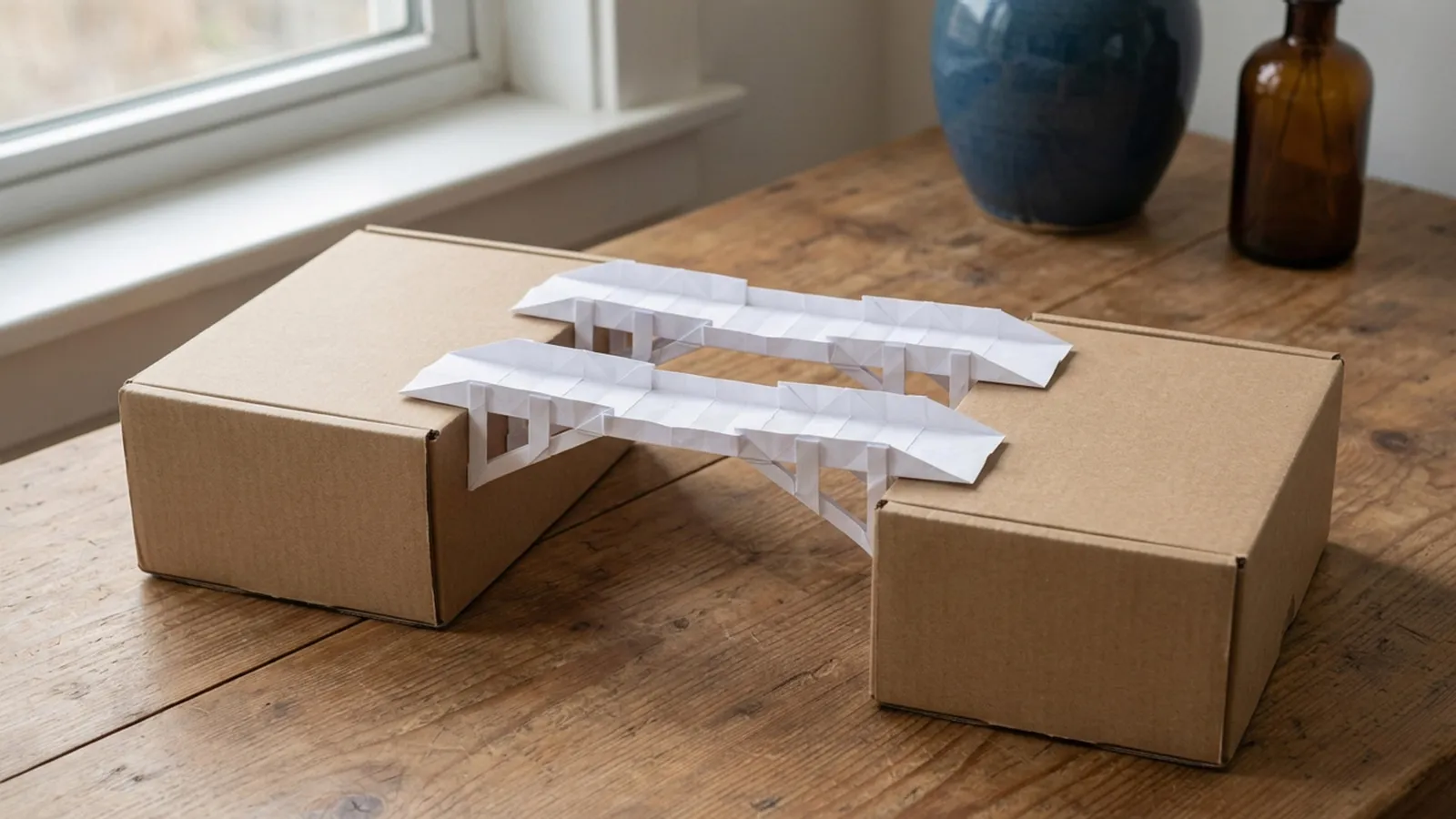
The door keeps blowing shut. You could find a doorstop, or turn it into a small project with your child. Ask what a doorstop would have to do, then let them try a few safe objects and see which ideas work.
Start with an everyday problem
Pick something your child has noticed. A cupboard needs a better place for reusable bags. A toy needs a bridge. A recipe needs to make enough for two more people. Ask your child to describe a good result. For the toy bridge, that might be “It can hold this toy without bending.”
Choose a project you can stop or clean up easily. Set aside anything involving heat, sharp tools or repairs that require an adult. Your child can still sketch, measure, sort or compare ideas.
Make one thing and test it
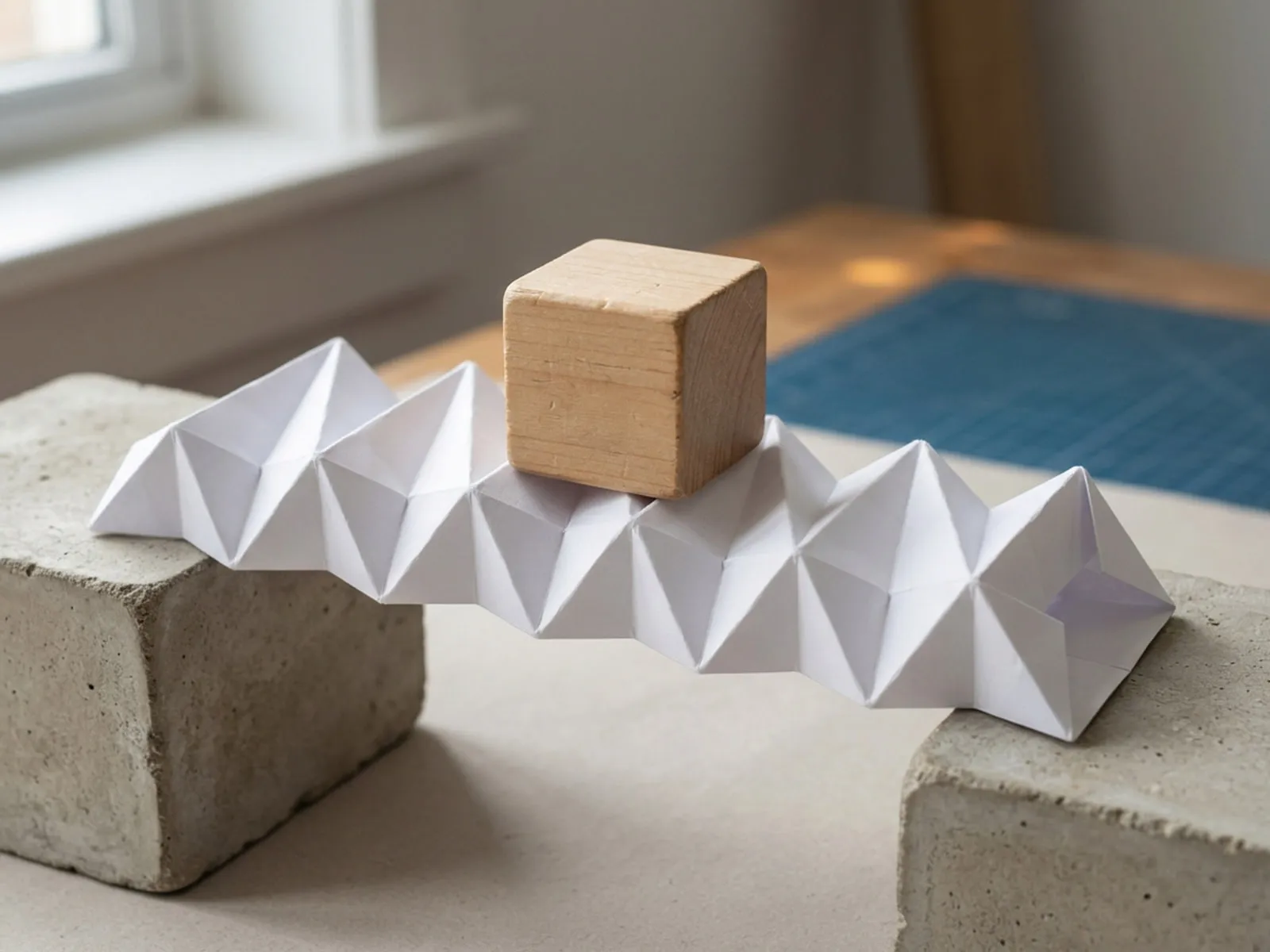
A child making the bridge could lay folded paper across two boxes and put the toy in the center. If it sags, ask which part they want to change. Try a different fold with the same boxes and toy so there’s something to compare. Draw what happened or take a photo if your child wants a record.
The 2022 preschool practice guide recommends intentional math instruction and conversations about mathematical ideas (What Works Clearinghouse, checked November 19, 2026). At home, a project gives you a reason to use words such as wider, taller and heavier. The bridge is an example to adapt, rather than a tested lesson.
Let them tell you what they learned
When the project ends, ask your child to show one thing that changed. “It held the toy after I folded the edges” is a result they can explain. If they want to try again tomorrow, put the materials where you can find them. If they’re done, you can leave it there. A useful project can fit in a single afternoon.
Work through an invented example
A child wants every toy animal to fit on a cardboard shelf. The adult asks what “fit” means and the child chooses to test whether the largest animal can stand upright.
The large animal clears the shelf but sticks out at the front. The child marks one edge on paper and tries a deeper design. Help find a safe material and leave the comparison to the child. Record what changed rather than deciding how the design should look.
Test one variable at a time
For the paper bridge, decide what stays the same: the gap, the toy and material. Have the child choose one fold to change. Give them a way to draw the result without requiring a written explanation.
Then ask whether the bridge would hold a different toy. If they want to try, name the new comparison first. Save the hardest part for another day if it makes the project too long.
Choose a test that fits the time you have
If the child wants to redesign storage, ask which one object is hardest to put away. Try two places and let the child test getting the object out and returning it. A sketch may be enough to save what they found. Stop before the project becomes an adult repair job. If your child comes back to it another day, ask whether they want to repeat the test or see what happens with a different object.
Common questions
How long should an everyday project take?
Choose a task that fits the time you have and can stop at a natural point. You can leave a drawing for later if the child wants to continue.
What if a child rejects my idea?
Ask what problem they want to solve. Use their goal if you can set up a safe test.
Should we write down the result?
A photo, drawing or explanation can all capture what changed. Let the child choose a record they have a reason to keep.
Sources
- What Works Clearinghouse. Preparing Young Children for School (2022). Checked November 19, 2026.