How can a young person practice managing their own money?
Use a small real or pretend budget to let a young person make a choice, track it and review it.


Give your child a choice they can afford to make. If they have $15 to spend on a Saturday outing, ask how much they want to spend on a snack and whether they want to keep any for next time. If you’d rather practice without real money, use the same amount on paper.
Make the tradeoff visible
Offer two plausible options with amounts. A $7 snack leaves $8 from $15. A $12 snack leaves $3. If the child has a future purchase in mind, ask how each choice affects it. Leave the decision with them as long as both options fit the limits you set.
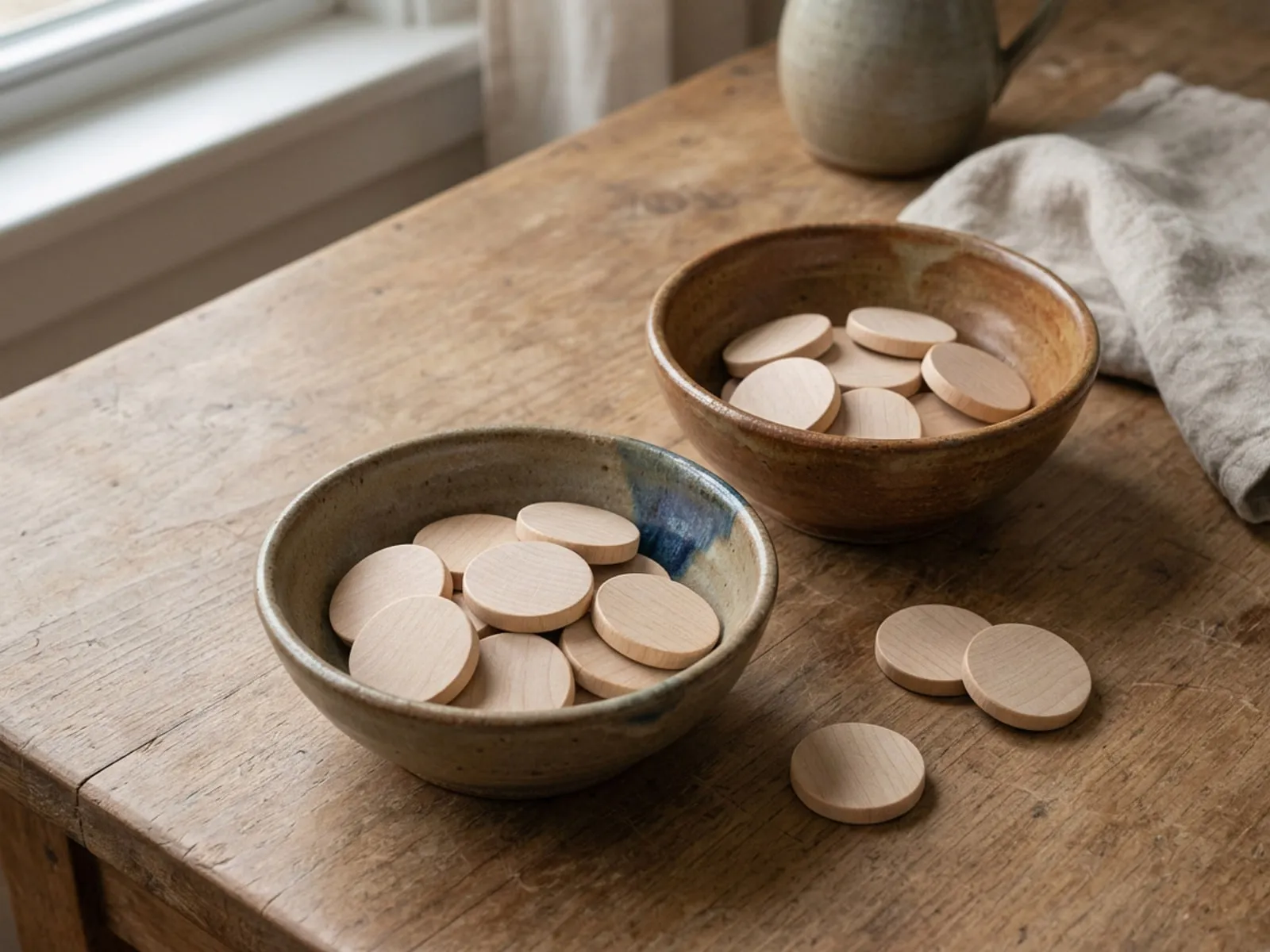
For a younger child, use coins or paper tokens. An older child might plan two weeks of optional spending. The CFPB’s Money as You Grow resources (Consumer Financial Protection Bureau, checked November 19, 2026) offer age-grouped activities for talking about money.
Keep a short record
Start with three lines: what was available, what you spent, and what remains. If an unexpected cost comes up, ask which choice they want to change. With a pretend budget, talk about a price they can actually verify so the exercise has some connection to what they might do.
Review the experience
Ask if the purchase was worth it to them and what they might do next time. A mistake with a small optional purchase can be a chance to think, especially if nobody has to give up an essential item. Keep family contributions and responsibility for household bills in a separate discussion. Here the goal is giving the young person practice with a decision they can own.
Work through an invented example
A young person gets $15 for a weekend. They want a snack today and also have plans to buy a small item next week.
They put the money for each choice beside the amount it would leave and change their mind after seeing both options. Let them choose, then check together how the amount they kept affects next week’s plan.
Make a spending and saving tray
Use two slips for the options and move tokens for each price into a spent pile. Let the child see what remains before deciding.
Ask about a realistic future purchase and what amount the child wants to keep for it. Change a price or the amount available next time instead of grading their choice.
Let the young person decide what to carry forward
A child may spend most of the practice amount one week and decide they’d rather save more the next. Ask what they learned when there’s still time to make a real decision. If a cost they rely on, like transport, isn’t optional, put that amount aside before they choose. Let them find the balance themselves, and ask whether the record is clear enough to pick up again next week.
Common questions
Can we practice without handing over real money?
Use tokens or a written balance and look up a realistic price. Let the young person make the choice and keep track of the remaining balance.
Should I step in when they pick the expensive option?
Use limits that keep the decision manageable first. If both choices fit, ask what they expect to have left and let them try.
Should this include paying a family bill?
Start with a choice that belongs to the young person. Discuss any family contribution separately so they know which money is available for practice.
Sources
- Consumer Financial Protection Bureau. Money as You Grow. Checked November 19, 2026.